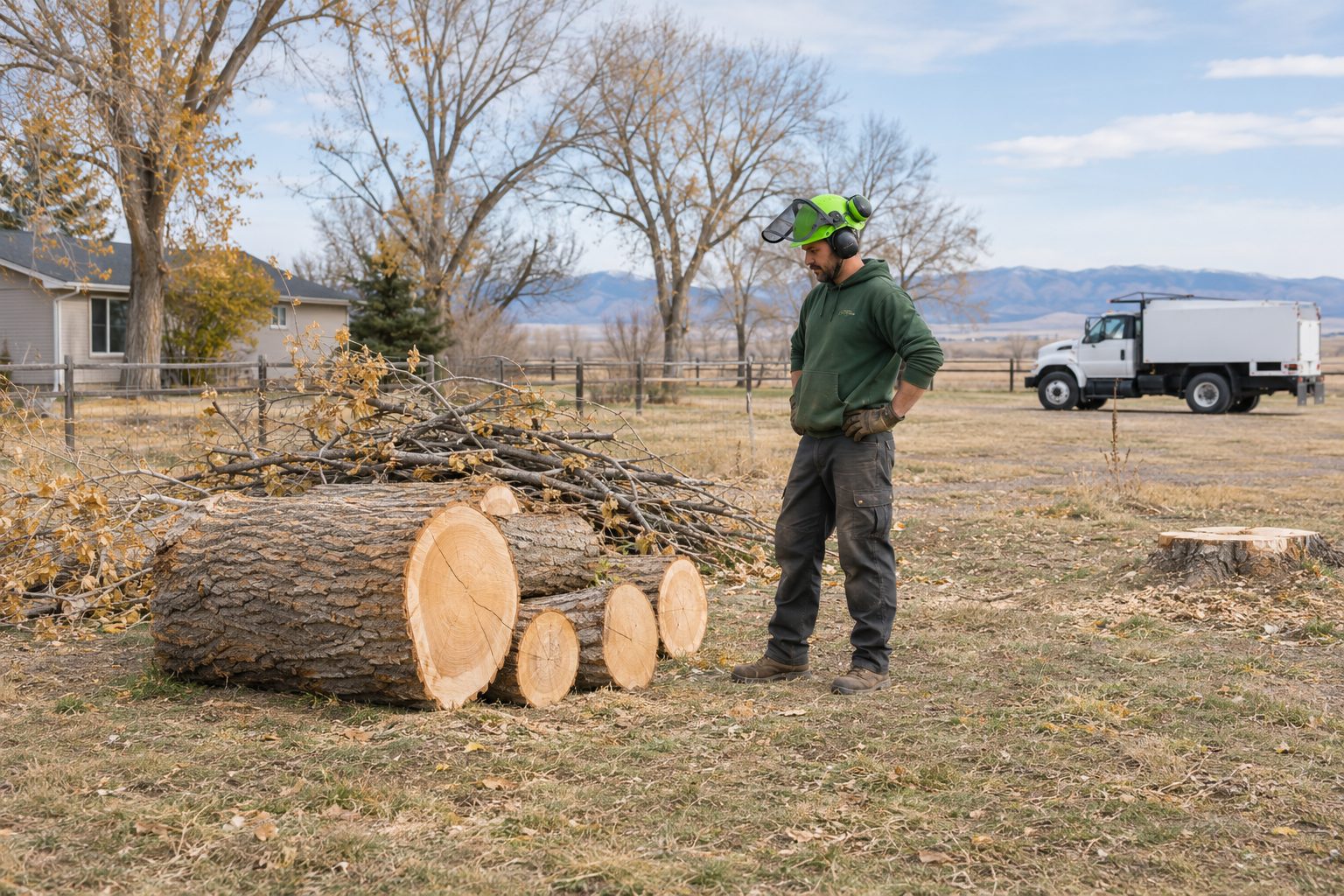
Tree Trimming and Pruning
Tree Trimming and Pruning in Alamosa
Need branches addressed? Request a Tree Quote or Call Anytime.
Calls and quote requests welcome 24/7. Callbacks and on-site availability vary.
Focused Tree Care Without Unnecessary Cutting
Overgrown, damaged, or poorly positioned branches can interfere with buildings, paths, and everyday use of a property. Tree trimming and pruning provide ways to address specific concerns while keeping a tree when appropriate. Alamosa Tree Removal welcomes quote requests for trimming and pruning in Alamosa and surrounding San Luis Valley communities.
A useful request explains what branches concern you, what clearance you need, and whether your priority is maintenance, safety, or appearance. The provider can review the tree's condition and discuss what work is suitable.
Alamosa Tree Removal Is Proud to Serve San Luis Valley
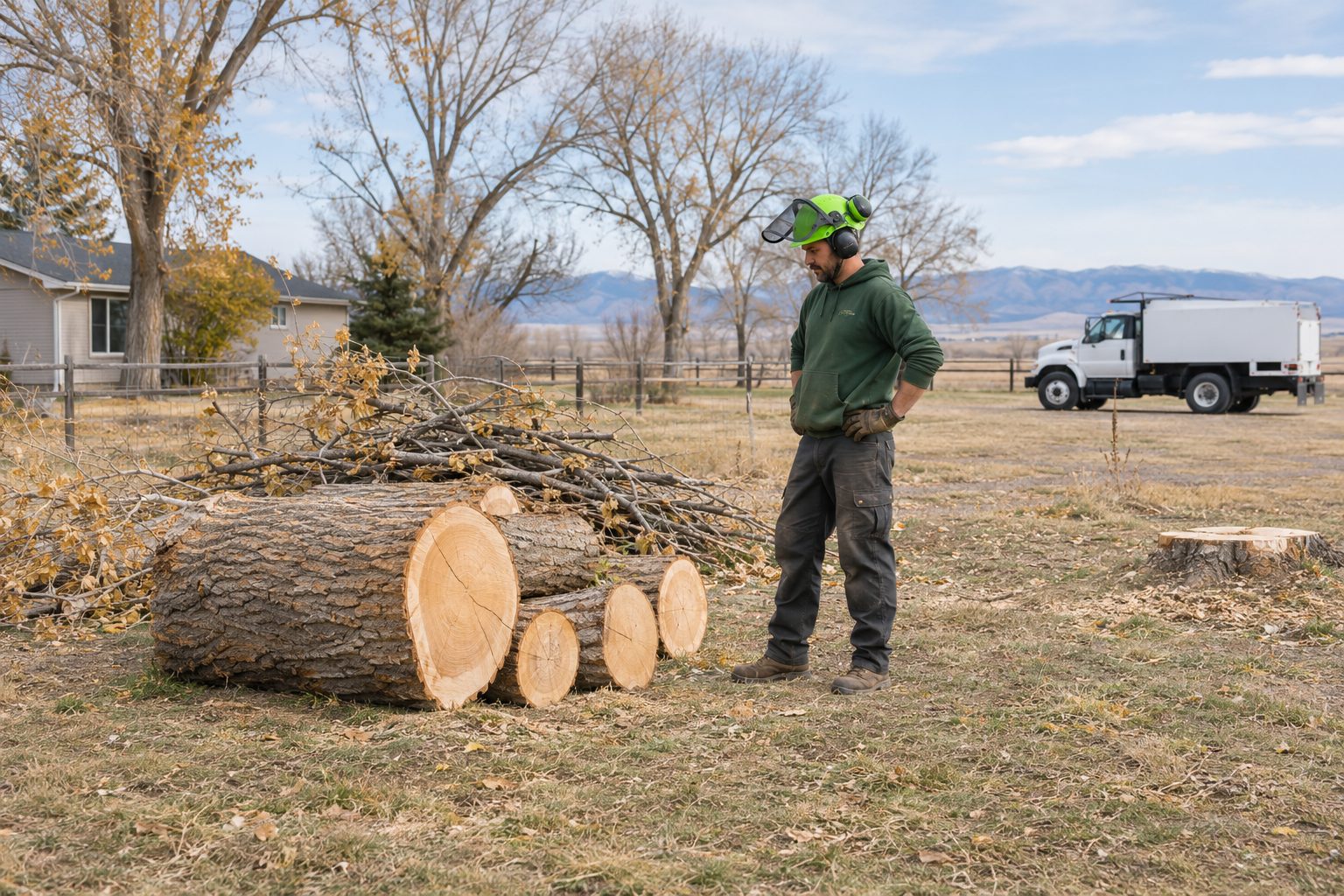
Planning Tree Trimming and Pruning Work
Trimming and pruning are often discussed together, but the desired result can vary. Clearance work focuses on branches interfering with an area or structure. Structural pruning focuses on selected branches and how their removal may affect the tree's future form. Damage-related pruning may involve broken, dead, or compromised limbs.
Branches Near Homes and Outbuildings
Branches close to roofs, siding, gutters, windows, and other building features can create access and clearance concerns. If branches touch a structure or move against it during wind, describe the location and the amount of clearance you hope to achieve.
Avoid attempting to reach elevated branches from a roof or unstable ladder. The provider must evaluate the work area and determine appropriate cutting methods.
Damaged and Hanging Branches
A partially broken limb may remain suspended in the canopy. It can fall without warning or shift when another branch moves. Do not pull, shake, or cut a hanging limb from below.
Describe the visible damage from a safe distance. If the branch presents an immediate threat, keep the area clear and seek appropriate assistance. A request for hazardous branch work does not guarantee immediate provider availability.
Pruning for Tree Structure
Pruning can involve selecting branches that cross, rub, compete with other growth, or create an undesirable structure. The amount of live growth removed should be appropriate to the tree and its condition.
A provider should explain which branches are proposed for removal and why. Excessive cutting may harm the tree or lead to unwanted regrowth. If retaining the tree is your goal, make that clear before work is quoted.
Clearance Around Property Features
Branches may affect driveways, private walking areas, fences, and access routes. The desired clearance depends on how the area is used and the tree's condition. Explain whether vehicles, pedestrians, or maintenance activities need more room.
Overhead utility lines require special caution. Do not approach branches touching or close to energized lines. Contact the utility for the appropriate procedure and do not assume ordinary trimming services can handle utility-related work.
Seasonal and Condition-Based Decisions
The appropriate pruning timing depends on the tree, the reason for cutting, and its current condition. Some work may be scheduled for maintenance, while damaged branches may need more urgent attention. Ask the provider to explain any timing recommendations for the specific tree.
Weather, accessibility, and the provider's schedule may affect when work can be performed. Avoid committing to unnecessary cutting merely because an appointment is available.
Cleanup After Trimming
Branch removal creates material that must be handled. Ask whether the quote includes gathering, chipping, hauling, or stacking branches. If you want small material left for your own use, explain where it should be placed.
The cleanup plan should account for lawns, planted areas, vehicles, fencing, and access routes.
Branch Clearance
Branch clearance is commonly requested when tree growth extends toward a roof, driveway, fence, walkway, or frequently used area. The amount of clearance needed should be described in practical terms rather than requesting indiscriminate cutting. Nearby structures and the remaining branch arrangement affect the decision.
Explain what the branches interfere with and whether the problem happens all the time or mainly during wind or seasonal growth. The provider can assess which cuts are appropriate and whether trimming can meet the goal.
Dead and Damaged Branch Pruning
Dead, split, or broken limbs may create concerns beneath a tree. Some damaged branches remain attached or suspended and can be difficult to evaluate from the ground. Keep people and animals away from the area if falling material is possible.
Describe the branch location, approximate size, and visible condition. A provider may need to inspect the tree before determining whether targeted pruning is suitable or whether a larger issue should be considered.
Structural Pruning
Structural pruning considers how selected branches contribute to the tree's overall form. The objective is not necessarily to remove a large amount of growth, but to choose cuts that serve a defined maintenance purpose. Tree condition and remaining canopy structure matter.
Ask what the provider intends to remove and how the proposed pruning supports your goals. If you are concerned about preserving shade, appearance, or particular branches, discuss those priorities before the scope is finalized.
Selective Canopy Reduction
Sometimes a property owner wants to reduce the reach of specific branches or portions of a canopy. Cutting too aggressively can affect tree health and lead to undesirable future growth. A request should identify the problem area and the result needed.
A provider can explain whether selective pruning is appropriate or whether the desired reduction would compromise the tree. Topping or indiscriminate removal of major limbs should not be treated as routine maintenance.
What Affects Tree Trimming and Pruning Costs?
Pricing depends on tree size, branch height, amount of cutting, accessibility, condition, nearby structures, specialized work requirements, travel, and debris cleanup. Request a quote describing which branches are included and how material will be handled.
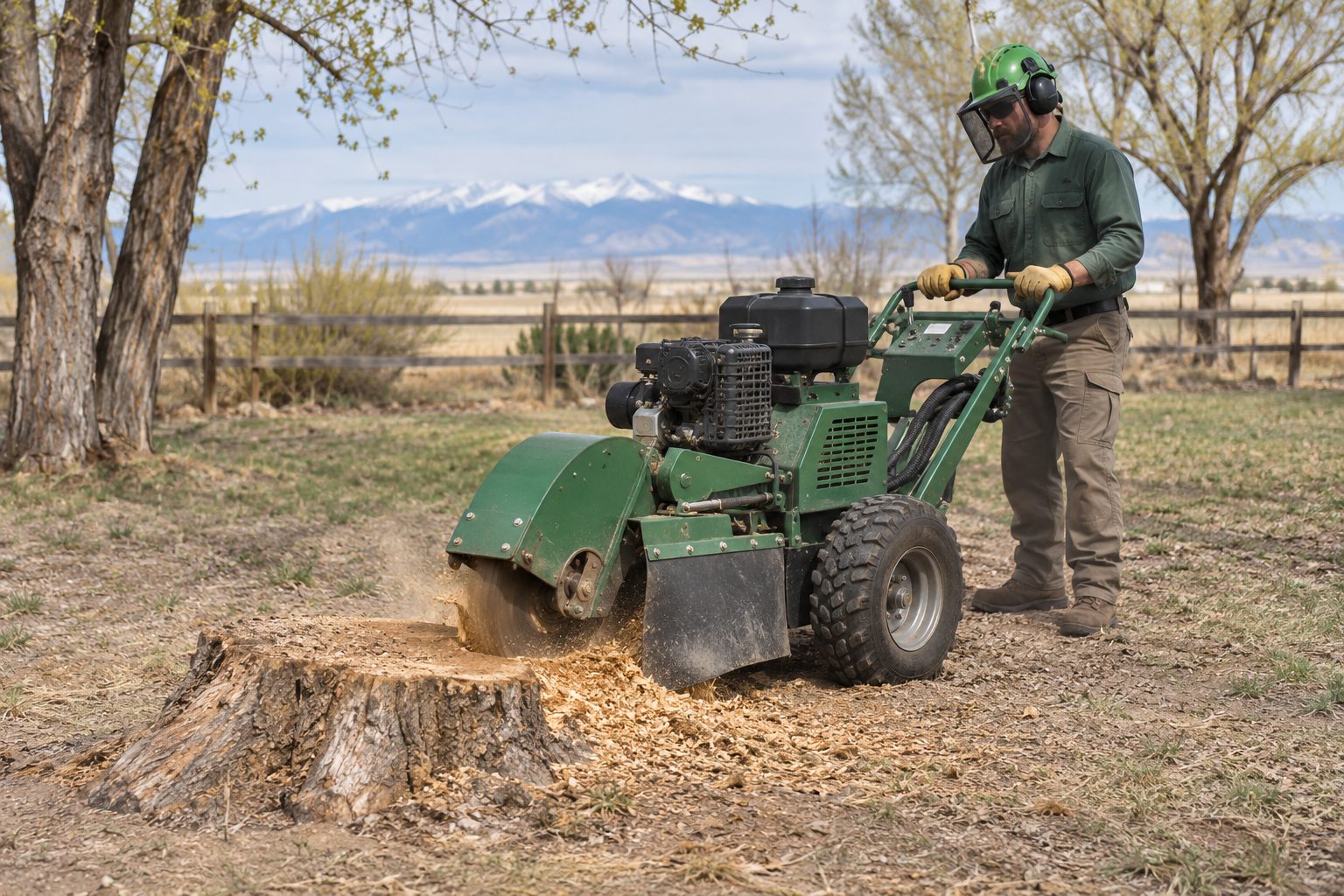
Why Choose Us for Tree Trimming and Pruning?
Focused Work Requests
Describe the specific branches and clearance issues instead of requesting unnecessary whole-tree cutting.
Tree Preservation Considered
The request can explain whether keeping the tree is a priority and what concerns need to be addressed.
Practical Cleanup Planning
Branch handling, hauling, and the final condition of the work area can be discussed before a quote is accepted.
Tell Us About Your Tree Project
Need branch clearance, damaged-limb pruning, or general tree trimming? Request a Tree Quote or Call Anytime. Callbacks and on-site availability vary.
Calls and quote requests welcome 24/7. Callbacks and on-site availability vary.
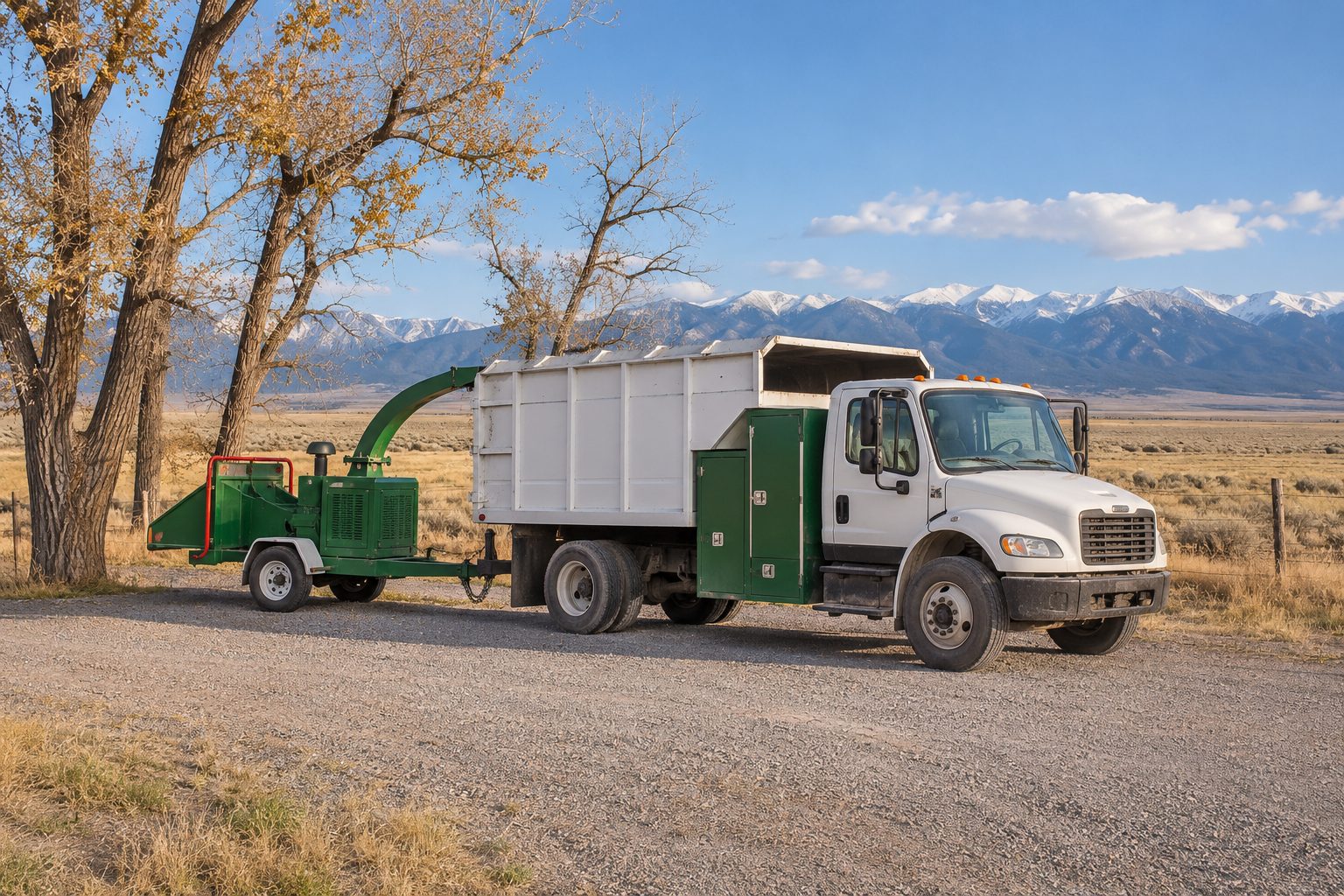
Request Tree Trimming or Pruning
Identify the Concern
Explain which branches need attention and why.
Describe the Tree
Provide its approximate size, location, and any visible damage or decline.
Explain the Desired Result
Share clearance needs, preservation priorities, and cleanup preferences.
Review the Proposed Scope
Discuss suitable pruning, pricing and scheduling for the tree and your goals.